Close
Dementia gets its name from the Latin word “mens”, which means mind, dementia means the absence of mind. If we want to make a clearer definition, we can define it as the occurrence of complaints such as forgetfulness, calculation, personality change, incompetence in daily tasks and an increase in a level that will affect your life, depending on any negative effect on the adult human brain. This effect creates a continuous clinical picture that is usually getting worse and worse.

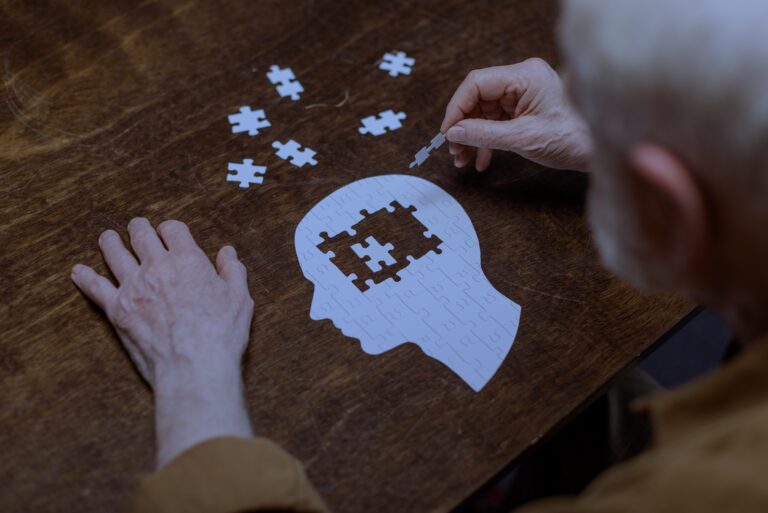
Dementia symptoms occur in 3 areas: cognitive functions, behavioral symptoms and functional area. Cognitive dysfunction, forgetfulness, impaired perception of the environment and directions, loss, speech disorders, impaired manual skills lead to symptoms such as impaired recognition and understanding of objects by seeing or touching. Behavioral disorders, apathy, decreased speech,excessive fondness for sex or food, thought disorders (The caregiver steals my money, my wife cheats on me, etc.), depression or mania, later developed phobias, inappropriate collection stacking or aimless repetitive movements can occur in the form of. Deficiencies in the functional area are manifested in the form of losses in maintaining work, in their ability to carry out work at home or on the street. Shopping, doing things that used to be easy, such as taking care of financial affairs, using everyday devices, maintaining hobbies, and taking care of himself, can no longer be done without help. Depending on the cause and degree of dementia, some patients may also experience gait disorders, strokes, tremors, urinary incontinence, fainting and sleep disorders.
The causes of dementia are grouped under 2 main headings, primary ( degenerative) and secondary causes. The most common primary causes of dementia are Alzheimer's Disease, Dementia with lewy bodies, Fronto-temporal dementia, Parkinson's disease dementia. In primary dementias, there is a dysfunction of neurons and loss of neurons starting from certain regions in the brain. As the disease progresses, this area expands and causes an image called atrophy in the brain.Among the secondary causes of dementia; stroke, Binswanger's disease, hydrocephalus, vitamin B12 Deciency, hypotroidia, liver diseases, drugs, infectious diseases of the brain, brain tumors and autoimmune diseases are the most common.
For the diagnosis of dementia, detailed information is obtained from the patient and his relatives about his complaints, pre-existing diseases, medications he uses and diseases in his family. A neurological examination is performed and evaluated with neuropsychological tests used in the diagnosis of dementia. Blood tests for the cause and brain imaging are performed with cranial MRI. In cases where secondary dementia is considered, tests for etiological disease can be performed.